Parents ask me: "Are essential oils safe for my kids?" The answer is yes — but with important caveats. Essential oils are potent. They're not automatically safe just because they're "natural." But used correctly, they can absolutely be part of a child-safe wellness routine.
"Safe oil use for children comes down to age-appropriate application, proper dilution, and knowing which oils to avoid."
Age guidelines
Babies and toddlers
Not recommended. The only safe application is diffusing in the same room for brief periods (15-30 min). No topical application. No internal use. Consult your pediatrician before using oils in a home with an infant.
Toddlers and preschoolers
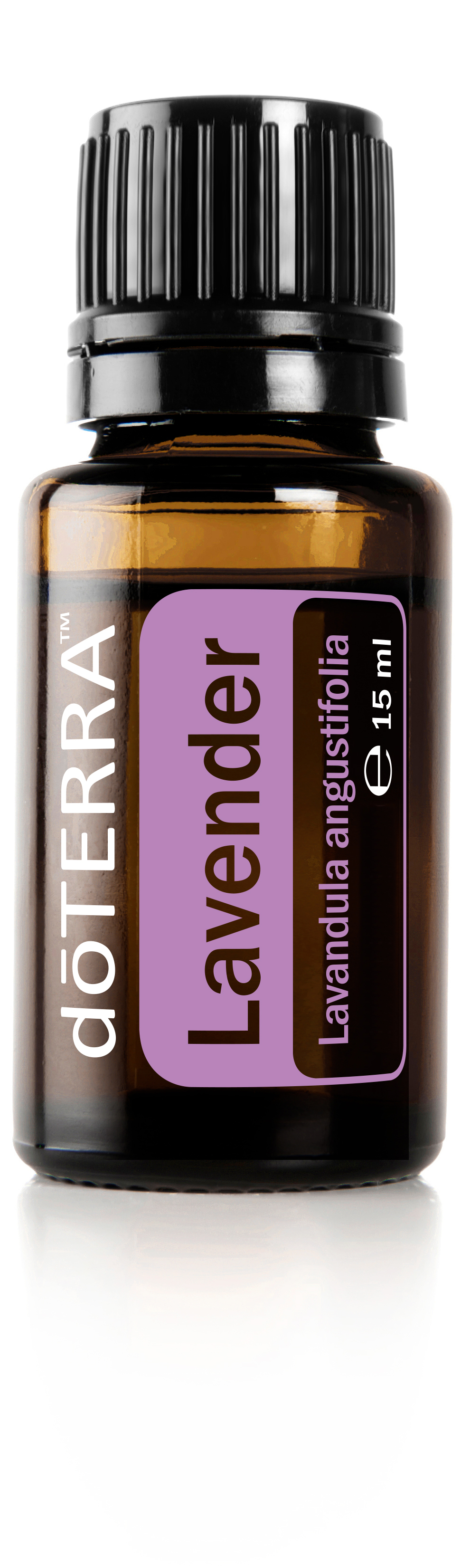
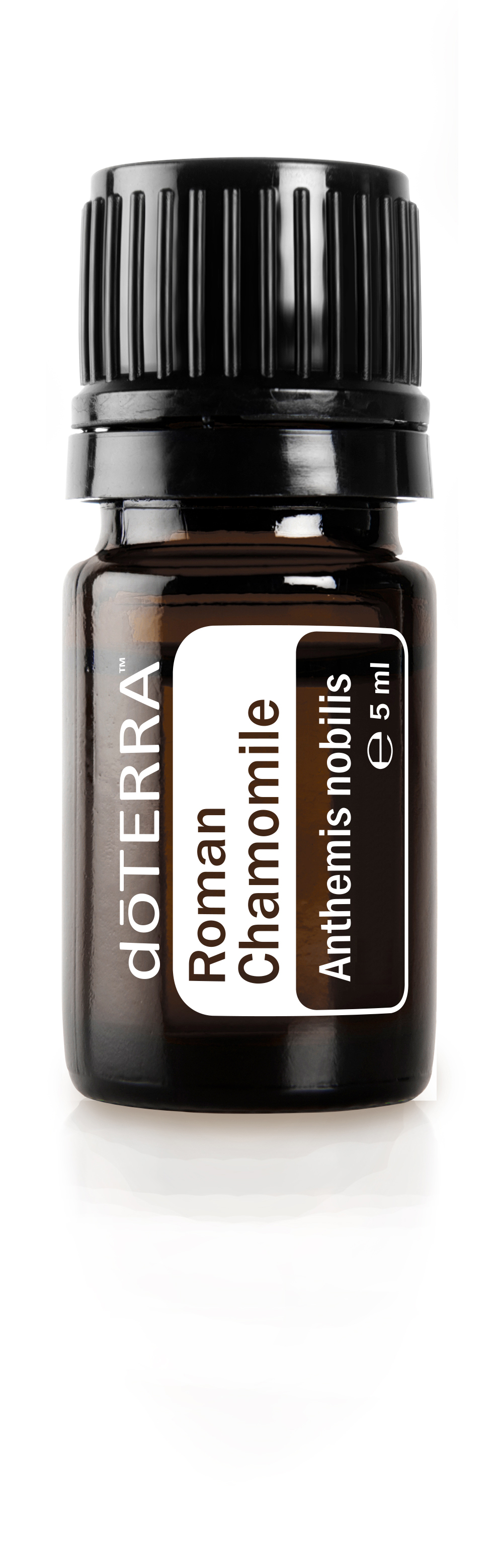
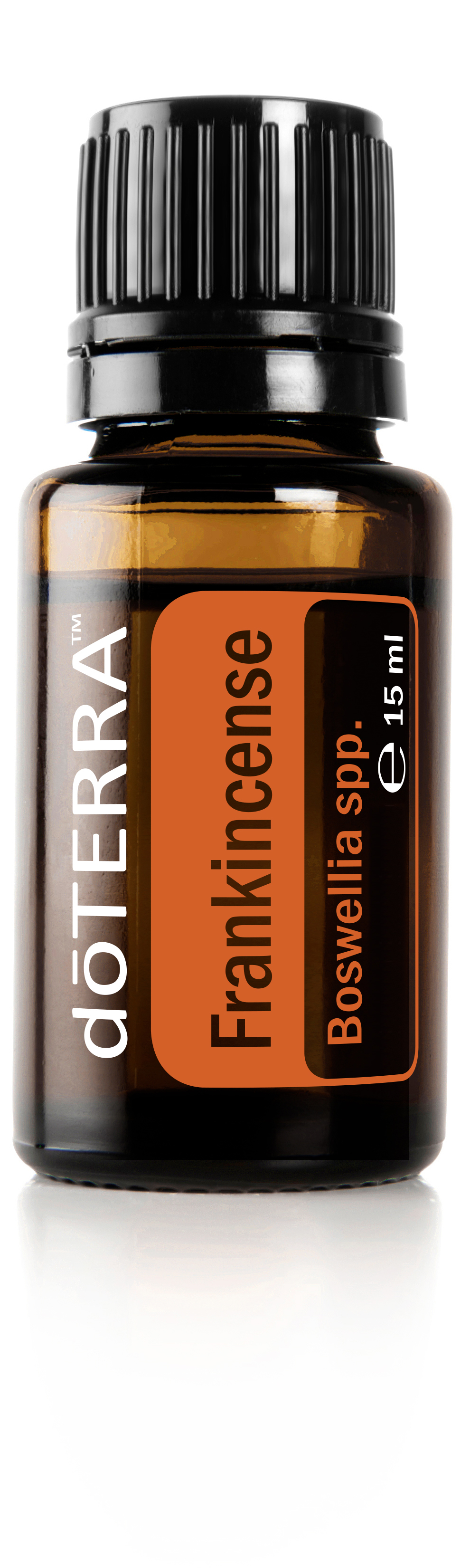
Diffusing is safe. Topical use only with heavy dilution (1:50 ratio — 1 drop of oil per 50 drops of carrier oil). Never internal. Supervise closely. Best oils: Lavender, Roman Chamomile, Frankincense.
School-age children
Diffusing and topical with 3:100 dilution (3 drops per 100 drops carrier) are both safe with supervision. Internal use only in softgel form, approved for age 6+, and only under parent guidance.
Teens
Similar to adults, but still with slightly heavier dilution (2-3%) for topical use. Diffusing is fully safe. Internal use with supervision.
Oils to avoid with children entirely
Never use these with children under 12: Eucalyptus, Peppermint, Wintergreen, Tea Tree, Thyme, Oregano, Basil, Cinnamon, Clove, Fennel, Helichrysum.
These oils are potent and can be overstimulating or problematic for developing systems. Some contain compounds that children's bodies process differently than adults. Peppermint, for example, can cause cooling sensations that are uncomfortable for young skin.
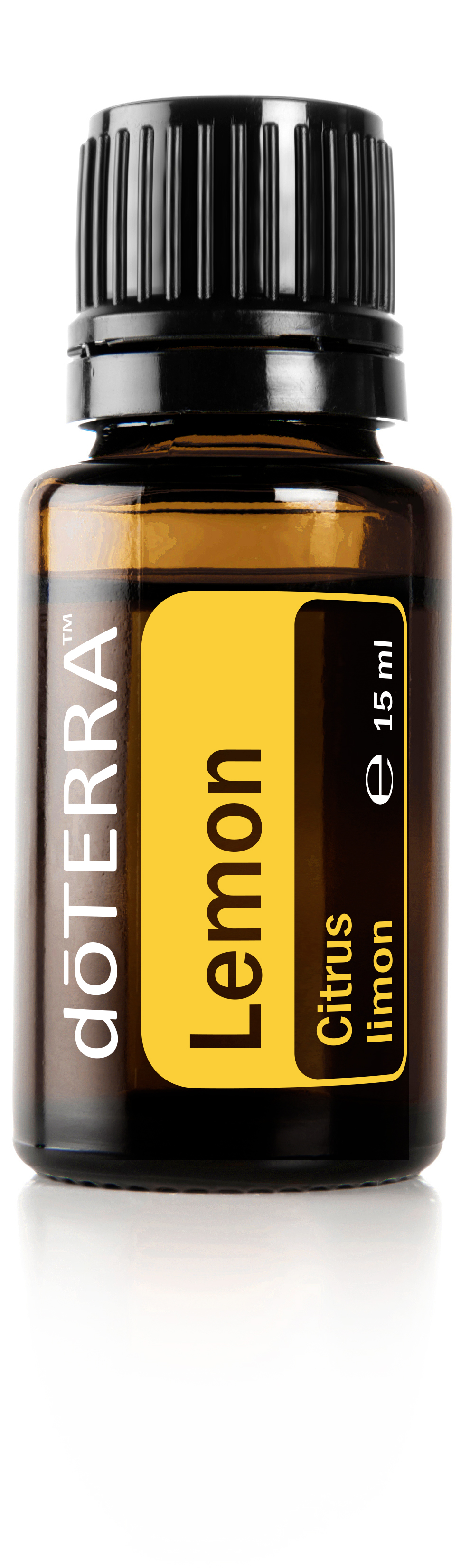
Safe oils for children (age 6+)
Safe application methods for kids
Diffusing: The safest method for children. 1-3 drops in a diffuser, run for 15-30 minutes. No more than 2-3 times daily.
Topical (heavily diluted): For age 6+, use 2-3% dilution. 1 drop of oil per 50 drops of carrier oil. Apply to feet, back of neck, or wrists. Never on face or sensitive areas without extreme dilution.
Internal: Only in softgel form for age 6+. Never place drops in water or food. Follow package directions.
Never: Undiluted oils on skin, direct inhalation from the bottle, in eyes, or in ears.
Before using essential oils with children, especially those with asthma, allergies, or sensory sensitivities, talk to your child's doctor. Some medications interact with oils. Some conditions make kids more vulnerable to sensory overload from scents. Your pediatrician knows your child's health better than anyone.
Real example: Bedtime routine for a 7-year-old
30 minutes before bed: Diffuse 2 drops Lavender + 1 drop Roman Chamomile in the bedroom. Run for 20 minutes.
At bedtime: Apply 1 drop Frankincense diluted in 5ml of Fractionated Coconut Oil to the back of the neck or to the feet (less sensitive area).
That's it. Simple, safe, and supported by traditional wellness practices.
What not to do
Don't leave oils where kids can access them. Don't apply oils undiluted to children. Don't assume that because it works for you, the same amount will work for your child — their bodies are different. Don't use oils marketed for kids but not age-appropriate (many "kid oil blends" contain Peppermint or Eucalyptus). Don't skip dilution just because you see other parents doing it.
The bottom line
Essential oils can be a beautiful, safe part of a child's wellness routine when you follow clear guidelines about age, dilution, and application method. Respect the potency, educate yourself, and consult your pediatrician when you're unsure.
Shop child-safe oils at my storefront →These statements have not been evaluated by the FDA. Products are not intended to diagnose, treat, cure, or prevent any disease. Always consult a pediatrician before using oils with children. Maya Chen is an independent doTERRA Wellness Advocate.